Your product may be exceptional, but if your packaging fails to capture attention, communicate value, and connect with consumers, it may never get the opportunity to prove itself.
In today's highly competitive retail environment, packaging is much more than a container. It's your brand's most important salesperson, working around the clock to attract customers, communicate benefits, and influence purchasing decisions.
Choosing the right packaging design agency can make the difference between a product that gets overlooked and one that becomes a category leader.
But with hundreds of agencies claiming to be among the best package design companies, how do you know which one is right for your brand?
At Deal Design, we've spent more than 20 years helping startups, emerging brands, and established national companies develop packaging that competes in the real world. We've learned that the best packaging design isn't necessarily the most expensive or the most elaborate. It's the design that connects with the right customer and motivates them to buy.
Here are the most important considerations when selecting a packaging design company for your next product launch.
1. Look for Packaging Design That Sells, Not Just Looks Good
Beautiful packaging doesn't automatically translate into successful packaging.
The best packaging design companies understand that the primary objective of package design is to sell products. Creativity matters, but it must be supported by sound marketing strategy, consumer insights, and an understanding of the competitive retail environment.
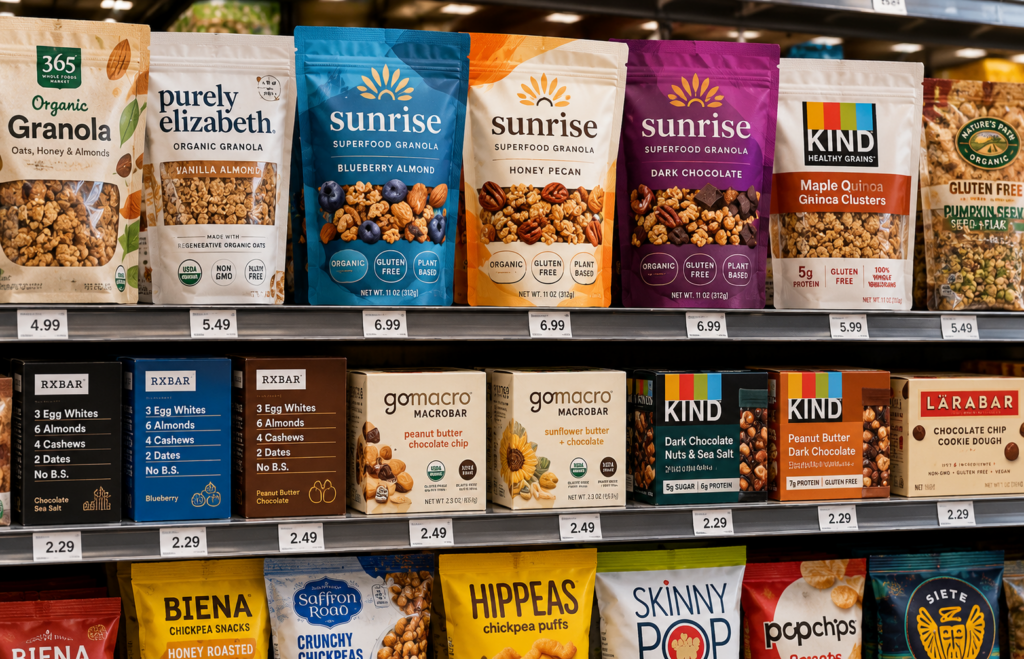
Effective packaging needs to accomplish several things almost instantly. It must capture attention, identify the product, communicate its most compelling benefits, and establish a perception of quality and value.
Consider how consumers shop in a grocery store. They're surrounded by competing products, each fighting for a few seconds of attention. A package that looks attractive in a designer's portfolio may disappear when placed alongside dozens of competing brands.
Ask prospective agencies how they approach consumer behavior, competitive analysis, and retail shelf visibility.
The right agency should be able to explain not only why a design looks good, but why consumers will respond to it.
2. Choose an Agency With Real Consumer Packaged Goods Experience
Not all graphic design companies are packaging design experts.
Designing a website, brochure, or logo requires a different set of skills than developing packaging for products sold through Walmart, Target, grocery stores, specialty retailers, or Amazon.
Experienced packaging designers understand how different retail categories operate and what consumers expect from the products within them.
Food packaging requires different communication strategies than skincare, nutritional supplements, consumer electronics, or household products.
Each category has established visual conventions, consumer expectations, competitive challenges, and regulatory considerations.
An experienced packaging design agency knows when to follow category conventions and when breaking those conventions can create a competitive advantage.
Look for a portfolio demonstrating experience across multiple product categories, packaging formats, and retail channels.
That diversity often reflects a deeper understanding of how packaging influences consumer purchasing decisions.
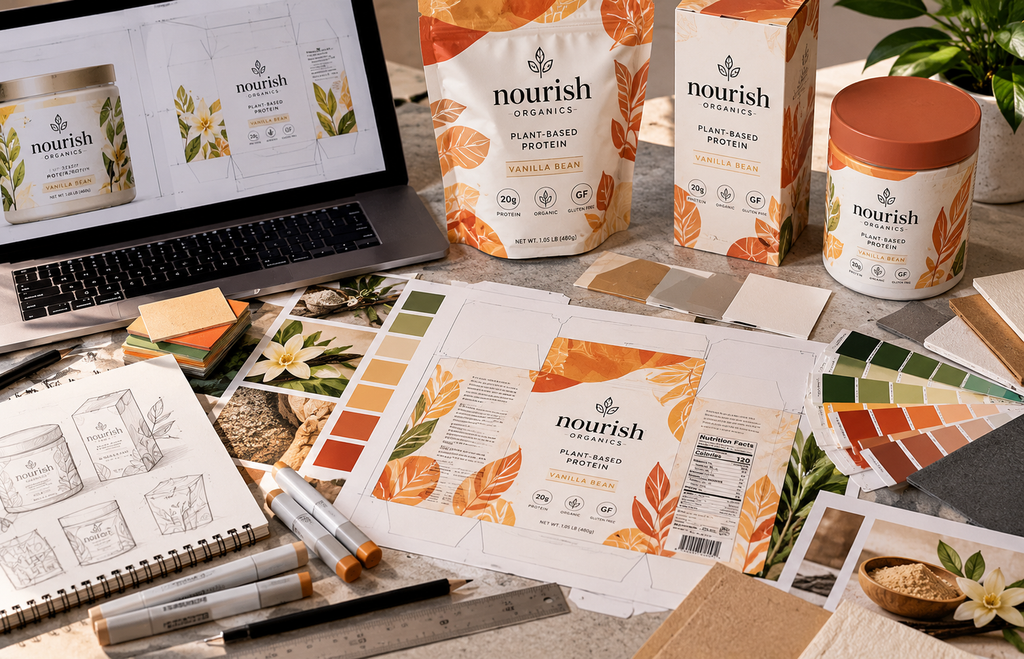
3. Make Sure Brand Strategy Comes Before Graphic Design
One of the biggest mistakes emerging brands make is jumping directly into package design before establishing a clear brand strategy.
A designer can create an attractive package, but without understanding the target consumer, competitive positioning, and product differentiation, the design may communicate the wrong message.
The best package design companies begin by asking important questions.
Who is your target customer? What motivates their purchasing decisions? How does your product compare with competitors? What makes your brand different? Why should someone choose your product instead of another?
The answers should guide everything from the brand name and logo to typography, colors, photography, messaging, and package structure.
For example, a premium skincare brand may benefit from restrained typography, sophisticated colors, and minimal messaging. A children's snack brand may require energetic graphics, playful illustrations, and highly visible product benefits.
Neither approach is universally better. The right solution depends on the consumer you're trying to reach.
Successful packaging design starts with understanding your customer, not choosing your favorite colors.
4. Evaluate the Agency's Packaging Design Portfolio
A packaging design portfolio tells you a great deal about an agency's creative capabilities.
However, don't simply look for designs you personally like. Evaluate how effectively the agency solves different marketing challenges.
Do all the designs look similar, or does each brand have its own distinctive personality?
Does the agency demonstrate versatility across premium, mainstream, value-oriented, and specialty products?
Are the product benefits easy to understand? Is the brand identity memorable? Would the package stand out in a crowded retail environment?
Look closely at product families containing multiple SKUs.
Creating one attractive package is relatively straightforward. Developing a cohesive packaging system that works across different flavors, sizes, varieties, and future product extensions requires more sophisticated brand thinking.
A strong portfolio should demonstrate both creativity and strategic consistency.
5. Understand Their Packaging Production Expertise
Packaging design doesn't end when the artwork is approved.
A successful package must also be manufactured, printed, filled, shipped, displayed, and ultimately used by the consumer.
This requires specialized technical knowledge that many general graphic design firms simply don't possess.
Experienced packaging design companies understand dielines, printing processes, substrates, color management, labeling requirements, and the limitations of different packaging structures.
A beautiful design can become a costly problem if it cannot be reproduced accurately or manufactured within the project's budget.
For example, artwork designed for a flexible stand-up pouch requires different production considerations than a folding carton, shrink sleeve, rigid box, or pressure-sensitive label.
Ask whether your agency can prepare production-ready artwork and coordinate with packaging manufacturers.
An agency that understands both creative design and production can help prevent expensive mistakes and unnecessary delays.
6. Consider the Agency's Experience With Startups and Emerging Brands
Large national brands and startup businesses often have very different needs.
Established brands may have dedicated marketing departments, extensive research budgets, established brand standards, and sophisticated distribution networks.
Startups frequently need help developing the entire brand from the ground up.
That may include brand naming, logo design, packaging, messaging, product photography, website development, and marketing materials.
The best packaging design company for an emerging brand should understand how to prioritize these needs while working within a realistic budget.
At Deal Design, we work with both national brands and entrepreneurs launching their first products. Our approach is to give emerging companies the strategic thinking and professional design quality of established brands without requiring an enormous agency budget.
Small brands shouldn't have to look small.
With the right packaging design, a new product can compete visually alongside some of the biggest names in its category.
7. Ask Who Will Actually Be Designing Your Packaging
One important consideration that often gets overlooked is who will be doing the actual creative work.
Some agencies rely on layers of account managers, junior designers, freelancers, or outsourced production teams.
This can create communication challenges, inconsistent creative quality, and unnecessary delays.
When evaluating packaging design agencies, ask whether you'll work directly with an experienced creative director or whether your project will be passed through several departments.
Direct access to senior creative talent can be especially valuable for emerging brands that need strategic guidance throughout the development process.
At Deal Design, clients work directly with our founder and principal creative director, David Deal, who brings decades of branding, packaging, and consumer marketing experience to every project.
This hands-on approach helps maintain creative consistency while keeping projects efficient and affordable.
8. Compare Value, Not Just Packaging Design Prices
Packaging design pricing can vary dramatically from one agency to another.
While cost is certainly important, selecting the least expensive designer isn't always the most economical decision.
Poor packaging can lead to weak retail performance, costly redesigns, production problems, and missed opportunities.
Likewise, hiring a large agency with substantial overhead doesn't necessarily guarantee better results.
Instead, compare the actual value each agency provides.
Does the proposal include brand strategy, competitive research, multiple creative concepts, revisions, and production-ready artwork?
Are project deliverables clearly defined? Are there unexpected fees? Does the agency have experience working within your budget?
Look for transparent pricing and a clearly defined creative process.
The objective isn't to spend the most money on packaging design. It's to make a smart investment in a package that helps your product succeed.
9. Look for a Long-Term Branding Partner
Your first product may be only the beginning.
As your business grows, you may introduce new products, expand into additional retail channels, redesign packaging, or develop an entirely new product category.
Working with an agency that understands your brand and can support future growth provides important advantages.
A well-developed brand identity should be flexible enough to accommodate new products without losing recognition.
Consistent branding across packaging, websites, advertising, and ecommerce platforms helps reinforce consumer familiarity and trust.
Choosing an agency with broader branding and marketing capabilities can make that process more efficient.
Rather than treating packaging as an isolated project, look for a creative partner that understands your long-term business objectives.
Finding the Best Package Design Company for Your Brand
There is no single packaging design agency that's perfect for every company.
The best choice depends on your product category, target consumer, retail distribution strategy, budget, and business goals.
However, the best packaging design companies share several important qualities: strategic thinking, creative versatility, production expertise, consumer understanding, and a commitment to helping their clients sell more products.
At Deal Design, we believe exceptional packaging should do more than win design awards. It should help brands attract customers, compete effectively, and grow.
For more than two decades, we've helped new and established brands develop professional packaging designed for real-world retail performance.
Whether you're launching your first product, refreshing an existing brand, or expanding an established product line, our team can help you develop packaging that looks exceptional and works harder for your business.
Ready to create packaging that sells?
Contact Deal Design for a free consultation and project estimate. Let's discuss how we can help your brand stand out from the competition.