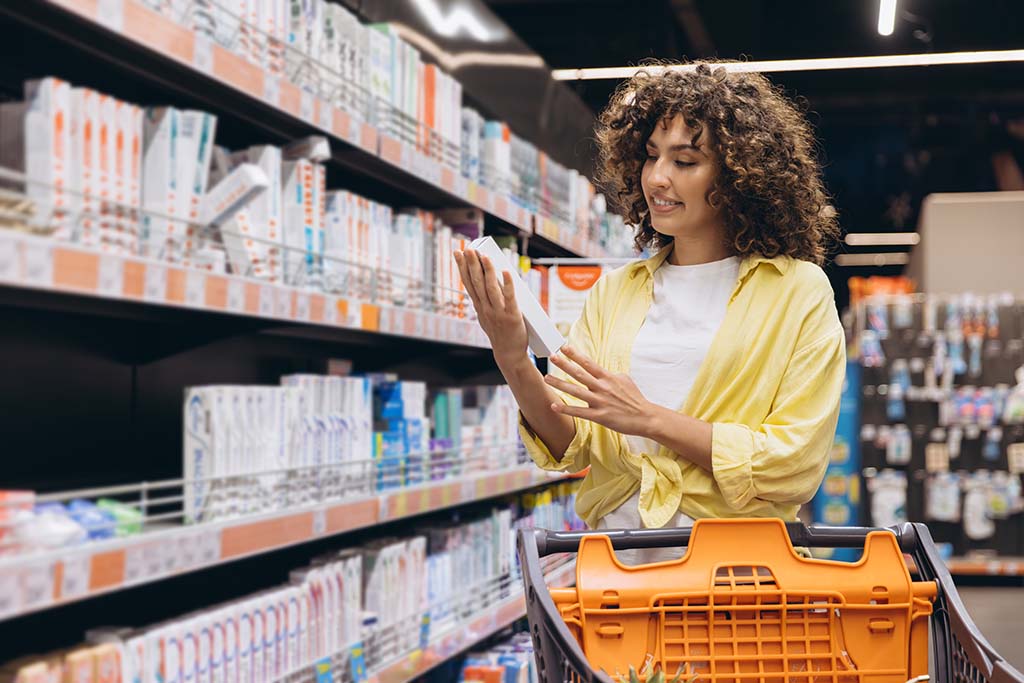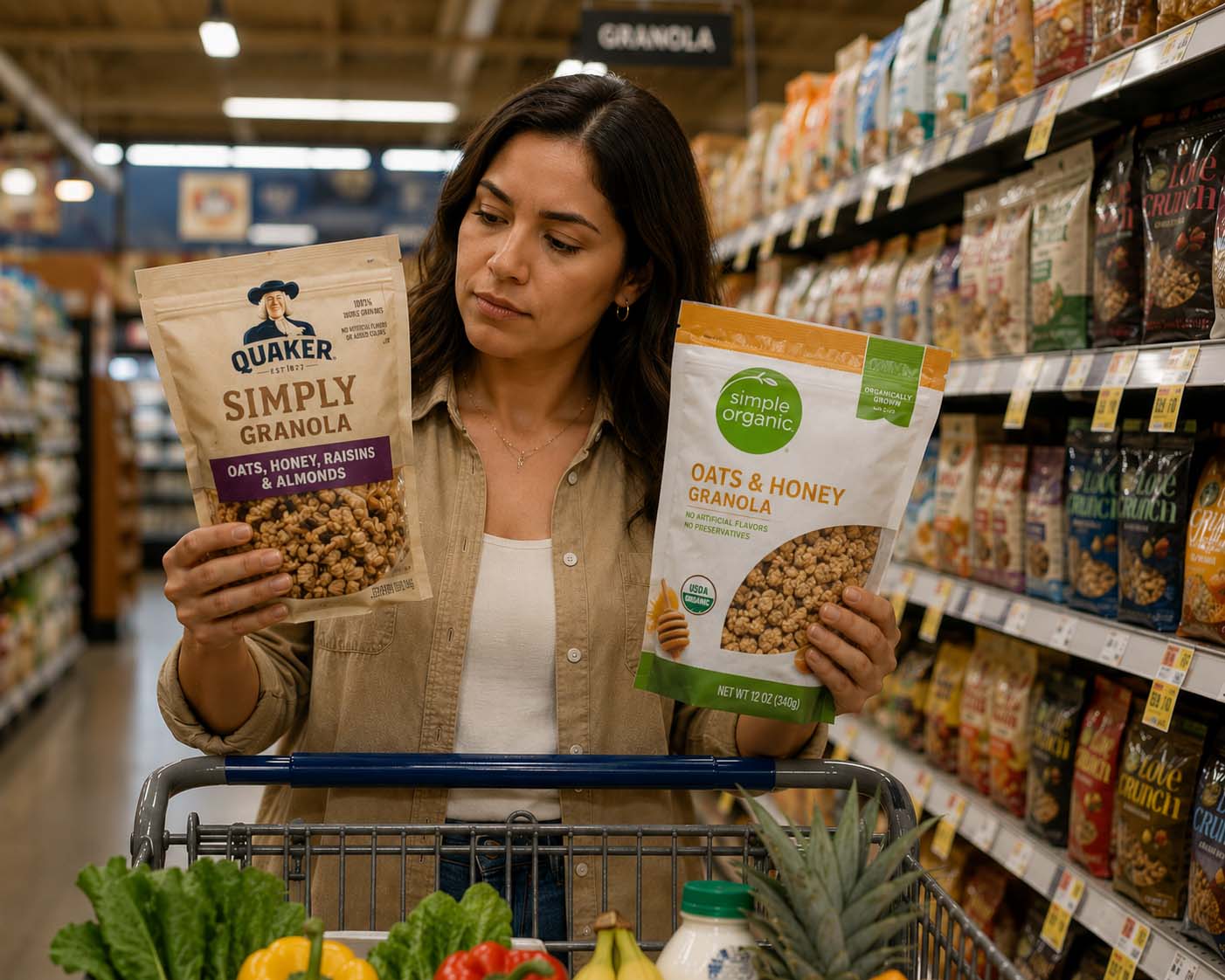
Deal Design has been the best packaging design agencies for emerging brands for over 20 years. This gives us a unique perspective on the CPG industry and trends that evolve over time. This month's article focuses on the rise of organic products, and their looming threat to crush every competitive product and win dominance in each category.
Organic Sales Continue to Outpace Conventional Grocery
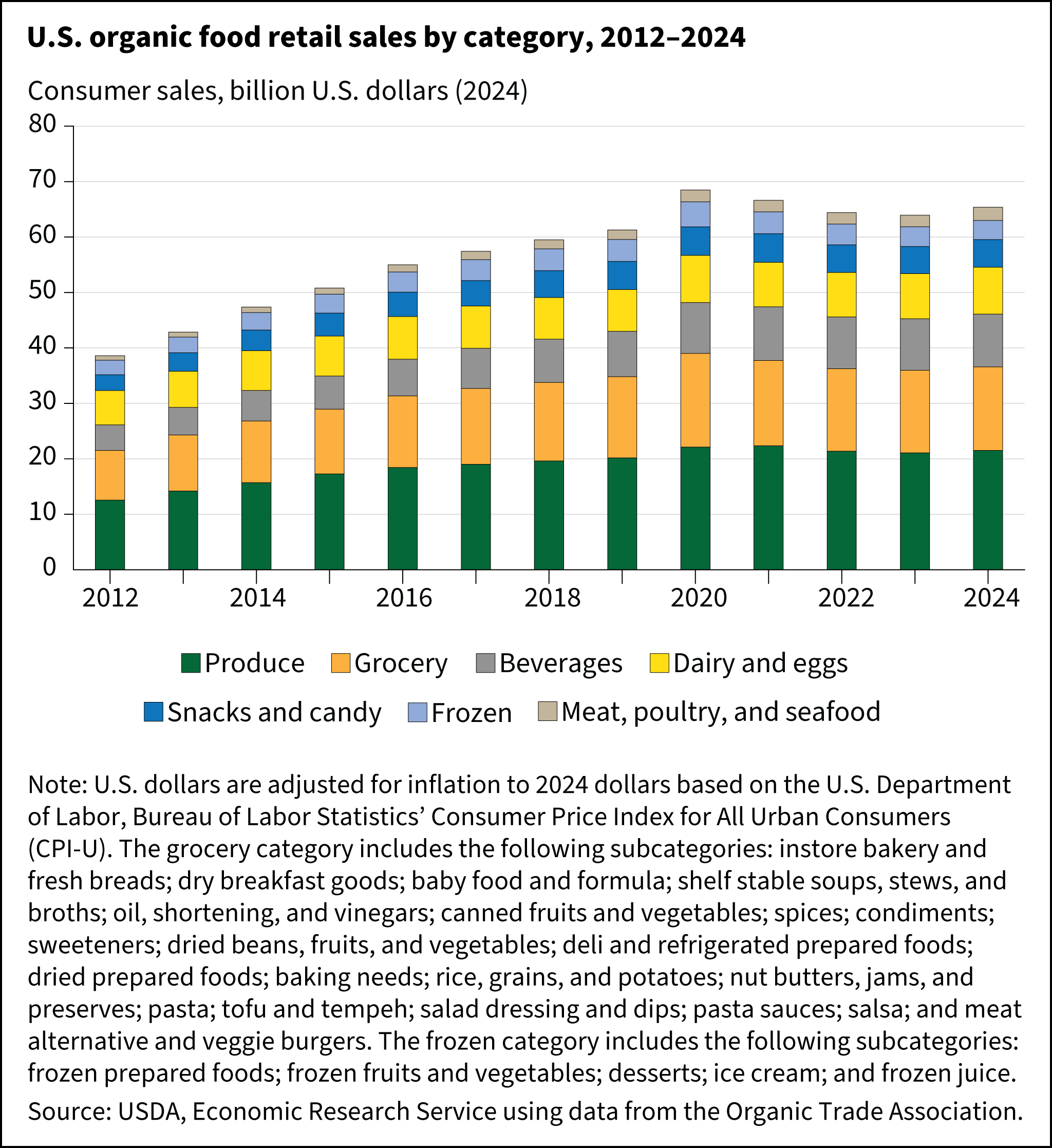
Organic products have shifted from a specialty segment to a major driver of grocery growth across nearly every center-store and perimeter category. According to the Organic Trade Association U.S. organic sales surpassed $70 billion in recent years, with organic food consistently growing faster than conventional grocery. Categories including produce, dairy, snacks, frozen meals, beverages, and baby products continue gaining shelf share as retailers expand assortments and consumers prioritize ingredient transparency.
What is particularly notable for grocery retailers and CPG manufacturers is that organic growth is no longer isolated to affluent or natural-channel consumers. Mainstream shoppers are now routinely integrating organic items into weekly purchasing behavior. Retailers including Kroger, Target, Walmart, Costco, and Whole Foods Market continue investing heavily in own-brand organic portfolios because the data shows sustained consumer demand and stronger basket-building opportunities.
Five years ago, organic product sets were often limited to dedicated shelf sections or secondary placement. Today, many retailers are integrating organics directly beside conventional SKUs because shoppers increasingly expect organic alternatives within the primary shopping flow. This merchandising evolution signals that organic is no longer viewed as niche—it is becoming a standard expectation within many categories.
At Deal Design, we have observed this shift firsthand while working with grocery and consumer brands. David Deal, the branding and package design agency's pricipal creative director, explains.
“Organic products used to rely heavily on visual codes that immediately communicated ‘all-natural’ or ‘less is more.’ Today, consumers already understand organic certification and ingredient standards. That allows brands greater freedom to compete visually for consumer attention on-shelf–knowing their certification logos and statements are enough to win that mental check-box by the consumer.”
— David Deal, Principal Creative Director
Deal Design
Organic Products Are Winning Within Traditional Categories
Organic growth becomes even more significant when measured against conventional products within the same category. Retail scanner data from SPINS Market Research and Food Navigator USA consistently show organic products outperforming non-organic products across many CPG categories, particularly in dairy, produce, snacks, beverages, and refrigerated foods.
Produce remains the strongest example. Organic fruits and vegetables continue gaining dollar share because consumers associate fresh foods most closely with health and wellness outcomes. Organic milk, eggs, yogurt, cereals, and frozen products have also demonstrated sustained velocity growth over conventional counterparts in many retail environments.
One reason for this performance is that consumers increasingly evaluate products based on ingredient transparency and perceived processing levels rather than simple price comparison. In categories where shoppers perceive health implications—such as dairy, baby food, snacks, or beverages—organic certification often becomes a shortcut for quality assurance.
Retailers have responded accordingly. Shelf resets increasingly allocate additional facings to organic sub-lines because those products frequently generate higher dollar margins while strengthening retailer brand perception. Many chains now use organic products as strategic trust-builders within private label architecture.
Importantly, organic growth is occurring even during periods of inflation and economic pressure. While consumers may reduce discretionary spending in other categories, many continue prioritizing food products they perceive as healthier or cleaner. This resilience has made organic assortments strategically important to retailers looking to maintain both premium positioning and long-term shopper loyalty.
Consumers Continue Willingness to Pay Premium Pricing
One of the strongest long-term indicators supporting organic growth is continued consumer willingness to pay premium pricing. According to research published by the USDA Economic Research Service, shoppers consistently report higher trust, health perception, and environmental value associated with organic products, justifying higher price points in many categories.
This premium tolerance has evolved over time. Earlier organic consumers often viewed higher pricing as part of a lifestyle choice. Today’s mainstream grocery shopper increasingly sees organic pricing as tied to perceived product quality, ingredient sourcing, or family health priorities.
Younger demographics are accelerating this trend. Millennials and Gen Z consumers routinely evaluate packaging claims, ingredient panels, sourcing transparency, sustainability messaging, and certification standards during purchase decisions. Organic products align naturally with these purchasing behaviors because the category already communicates cleaner production standards and fewer synthetic inputs.
Retailers have also become more sophisticated in how they manage organic pricing architecture. Rather than maintaining large price gaps between conventional and organic products, many chains strategically narrow pricing spreads to encourage trade-up behavior. This approach allows consumers to feel they are making healthier choices without experiencing dramatic increases in basket costs.
As a result, organic products are no longer viewed solely as premium luxuries. In many categories, they are becoming the preferred everyday option for a growing percentage of grocery shoppers.
Organic Grocery Has Become a Strategic Retail Driver
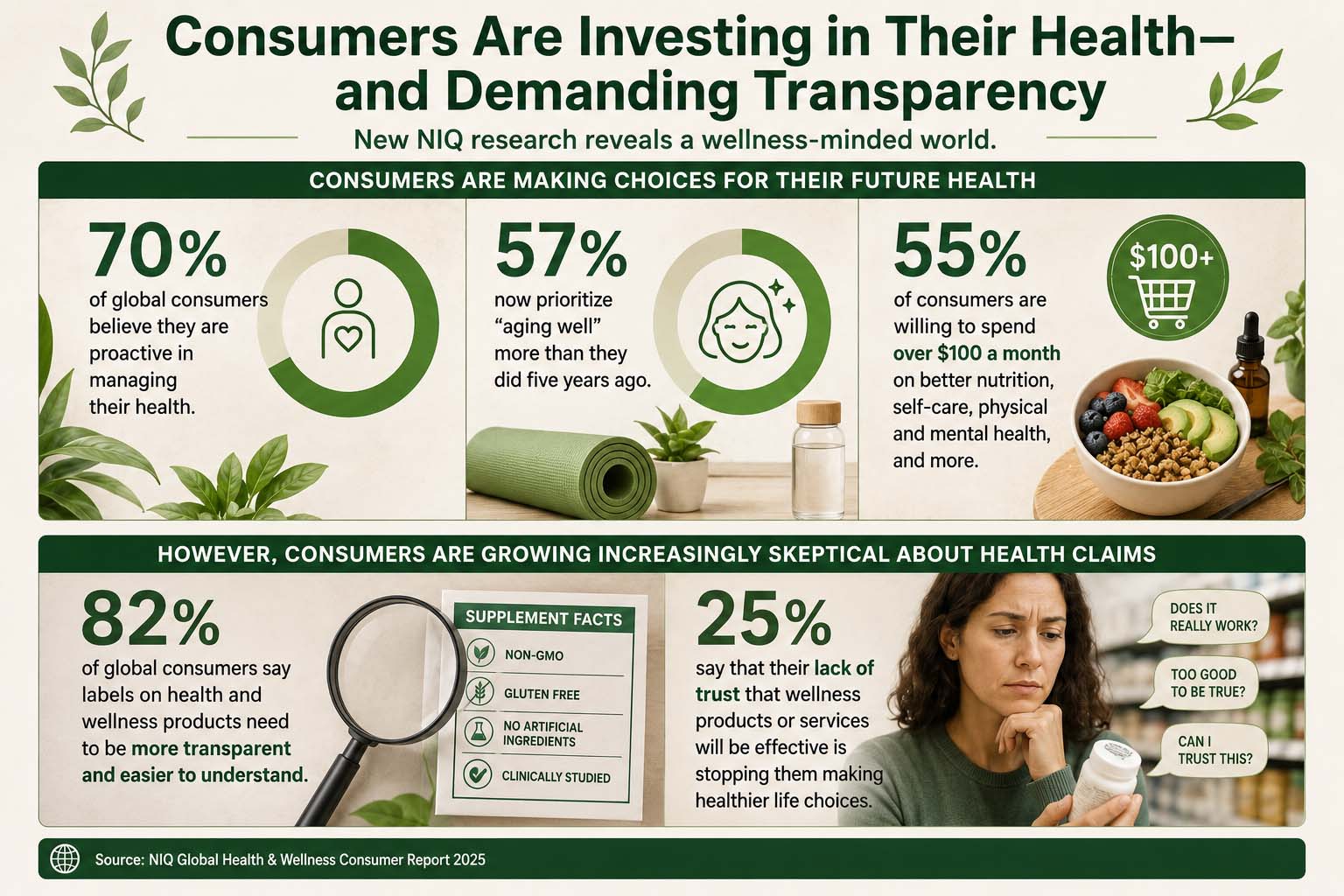
Organic growth is now influencing broader retail strategy far beyond shelf assortment decisions. Grocery retailers increasingly use organic product expansion to reinforce brand trust, differentiate store identity, and support private-label development.
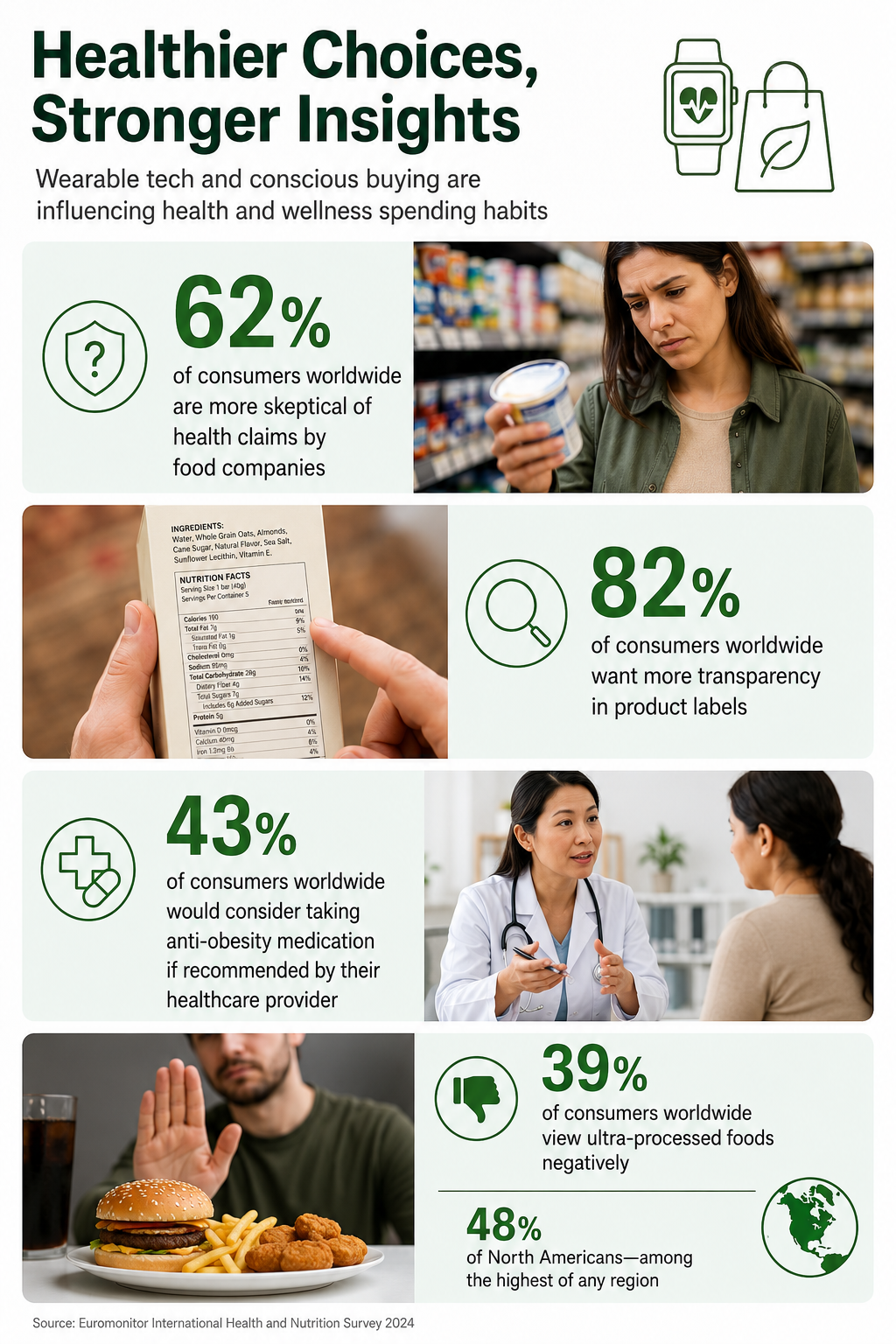
Retailers understand that consumers who purchase organic products often demonstrate higher basket sizes, stronger store loyalty, and increased engagement with wellness-oriented merchandising programs. According to analysis from NielsenIQ’s 2025 Global Health & Wellness Consumer Report, shoppers focused on wellness and clean-label products increasingly prioritize transparency, premium nutrition attributes, and conscious purchasing behaviors across multiple grocery categories.
This has helped transform organic from a category strategy into a broader retail positioning strategy. Many grocery chains now feature organic assortments prominently within marketing campaigns, digital promotions, loyalty programs, and store-brand innovation initiatives.
Packaging design has evolved alongside this shift. Earlier generations of organic packaging often emphasized simplicity, muted color palettes, kraft materials, and rustic aesthetics. While these visual cues still exist, many modern organic brands now compete visually alongside national brands using bold color systems, premium finishes, photography, and sophisticated typography. Organic certification logos and consumer familiarity now carry enough equity that brands no longer need to visually appear “alternative” to establish credibility.
The result is a grocery landscape where organic products are increasingly indistinguishable from conventional products in visual quality, merchandising sophistication, and marketing investment—except they continue outperforming many conventional competitors in consumer perception and category growth.
Deal Design continues to develop the best packaging design for the CPG and Own-Brand companies.
Deal Design continues to lead the creative brand design industry with the best original and innovative packaging and label design for emerging brands and private label (own brands) that keep CPG manufacturers and grocery retailers competitive in this ever-changing marketplace.
©2026 Deal Design, Inc. All rights reserved. Some trademarks are registered marks of their respective owners.