Deal Design has been one of the best packaging design agencies for emerging brands for over 20 years. This gives us a unique perspective on the CPG industry and trends that evolve over time. This month's article focuses on the rise of organic products, and their looming threat to crush every competitive product and win dominance in each category.
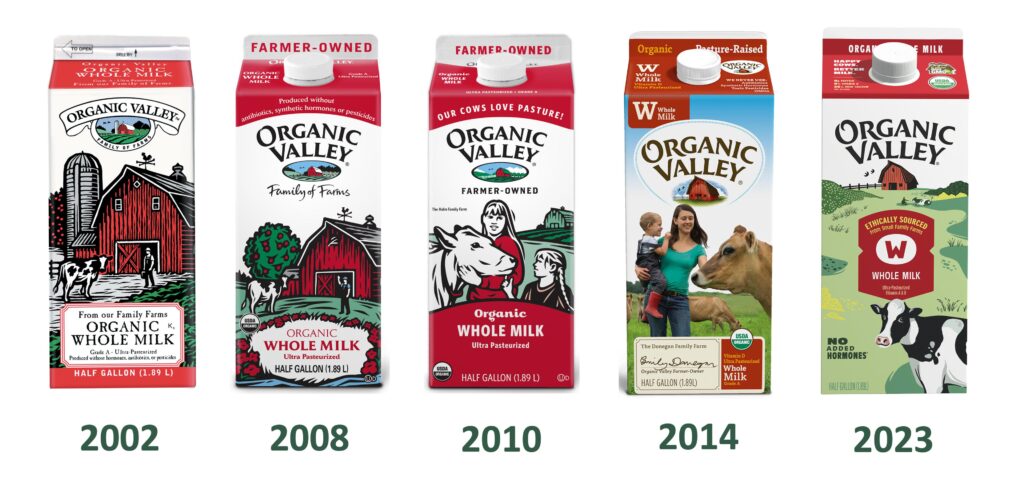
Early Organic Packaging Relied on “Natural” Visual Codes
Organic packaging came onto the scene with packaging design that followed a highly recognizable visual formula. Earth tones, kraft paper textures, muted or simplified color palettes, matte finishes, hand-drawn illustrations, and minimalist layouts became standard shorthand for natural "organic" products.
These design systems emerged because early organic brands needed to quickly differentiate themselves from highly processed conventional CPG products. Organic packaging intentionally avoided the polished appearance of mass-market brands to communicate authenticity and simplicity.
Research published through ResearchGate Packaging Studies found consumers strongly associated minimalist packaging with perceptions of naturalness and product integrity.
In earlier retail environments, these visual cues helped organic brands stand-out on the retail shelf. Consumers shopping organic products were often highly intentional shoppers looking specifically for products that visually communicated less processing and environmental consciousness.
This created a category aesthetic that remained dominant for nearly two decades:
- Softer typography
- Reduced gloss,
- Limited ink coverage
- Earthy color palettes
- Recyclable-looking materials
- Hand-drawn illustrations
At the time, organic packaging needed to visually “prove” it was different. "Simple" meant "healthier."
Modern Organic Packaging Competes Like National Brands
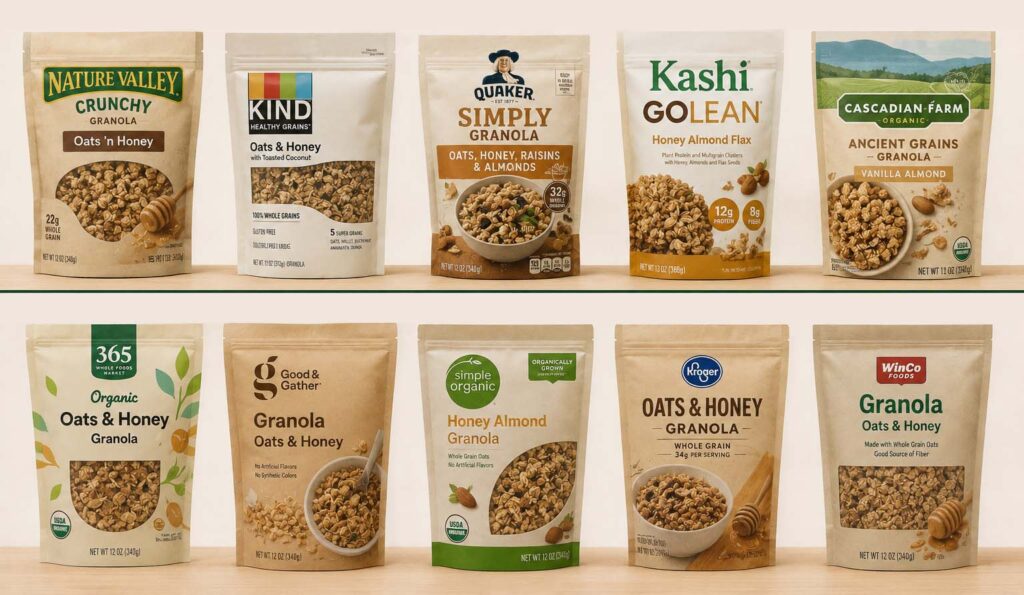
Today’s organic packaging environment looks dramatically different.
As organic products have moved into mainstream grocery retail, packaging systems have evolved as a result of consumer familiarity and retailer expectations. Organic products now compete directly beside national brands across nearly every major category, forcing organic packaging to become more visually assertive and commercially competitive.
According to research from Frontiers in Sustainability, consumers now rely heavily on certification marks and product claims to validate organic authenticity rather than depending solely on “natural-looking” packaging design.
This evolution has given brands greater creative flexibility.
Modern organic packaging increasingly features:
- Vibrant color systems
- Premium photography
- Metallic accents
- Stronger typography
- Bolder shelf blocking
- Sophisticated packaging design formats.
Organic brands are no longer expected to appear visually restrained or rustic. In many categories, they now mirror the visual confidence of premium national brands while still communicating ingredient integrity through certification systems and claims architecture.
This maturity reflects a broader reality:
Consumers already understand what organic means. Packaging no longer has to visually over-explain it.
Certification Logos Now Carry Significant Trust Equity
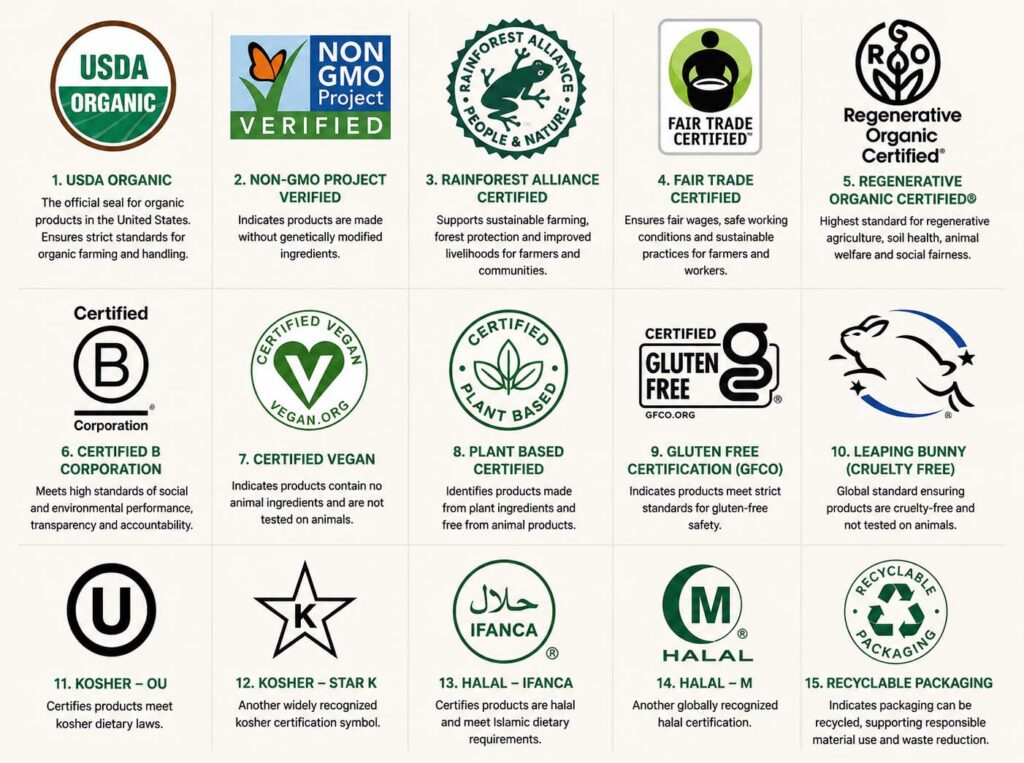
The USDA Organic seal and other certification systems have become highly valuable visual trust assets for brands and retailers.
Research published in Food Quality and Preference Journal found organic labeling itself significantly increases perceived trustworthiness and purchase intent.
This has changed the role packaging design plays within organic grocery categories.
In earlier years, the entire packaging system needed to communicate “organic.” Today, certification logos and product claims frequently carry enough consumer recognition that brands can focus more heavily on appetite appeal, shelf visibility, and emotional branding.
As a result, many successful organic brands now balance:
- Premium commercial aesthetics
- Strong photography
- Appetite appeal
- Bold shelf presence
...alongside smaller, but strategically placed organic certification systems.
This balance allows organic products to compete more effectively within crowded grocery environments where visual interruption and quick decision-making heavily influence shopper behavior.
The organic badge itself has become one of the most efficient trust-building elements in grocery packaging.
Sustainable Packaging Trends Continue Evolving
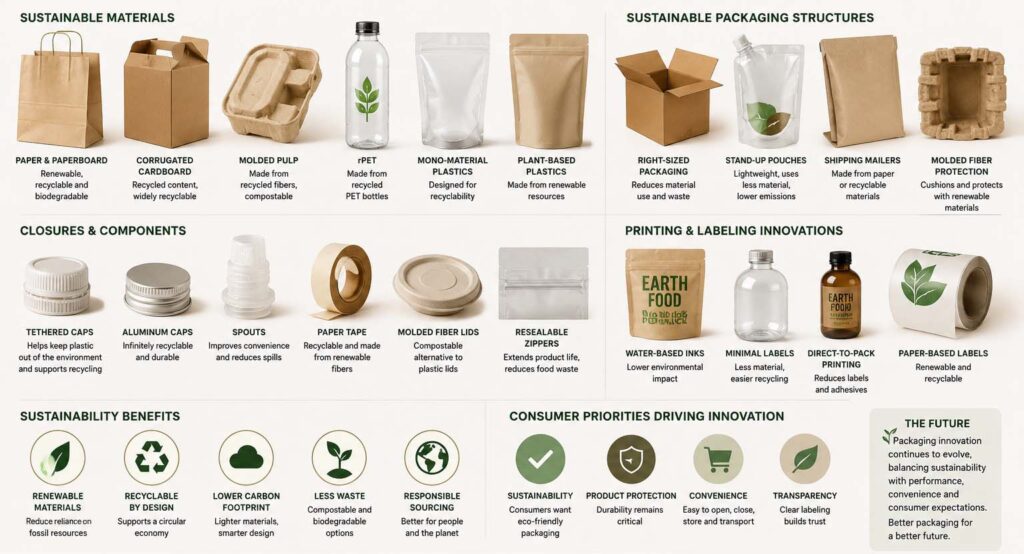
Sustainability expectations surrounding packaging have also evolved significantly over the past decade.
Between 2020 and 2026, grocery retailers and CPG manufacturers dramatically increased investment in recyclable, mono-material, compostable, and post-consumer recycled packaging systems. According to research from McKinsey & Company Packaging Insights, consumers continue prioritizing packaging sustainability, but convenience, durability, and product protection remain equally important.
This has created a more nuanced packaging environment.
Earlier sustainability discussions often emphasized eliminating plastics entirely. Today, many brands and retailers focus more on:
- Recyclability
- Lightweight
- Reduced material usage
- Flexible packaging
- Sustainability
Consumers increasingly understand that sustainability is more complex than simply replacing plastic with paper.
As a result, packaging aesthetics have matured alongside sustainability strategy. Brands are becoming less performative about “looking eco-friendly” and more focused on measurable environmental improvements supported by clear consumer communication.
For organic brands, this creates opportunity. Packaging no longer has to sacrifice visual impact in order to communicate environmental responsibility. The strongest modern organic packaging systems now combine:
- Premium shelf presence
- Operational sustainability,
- Strong branding,
- Trusted certification architecture
Deal Design continues to develop the best packaging design for the CPG and Own-Brand companies.
Deal Design continues to lead the creative brand design industry with the best original and innovative packaging and label design for emerging brands and private label (own brands) that keep CPG manufacturers and grocery retailers competitive in this ever-changing marketplace.
©2026 Deal Design, Inc. All rights reserved. Some trademarks are registered marks of their respective owners.