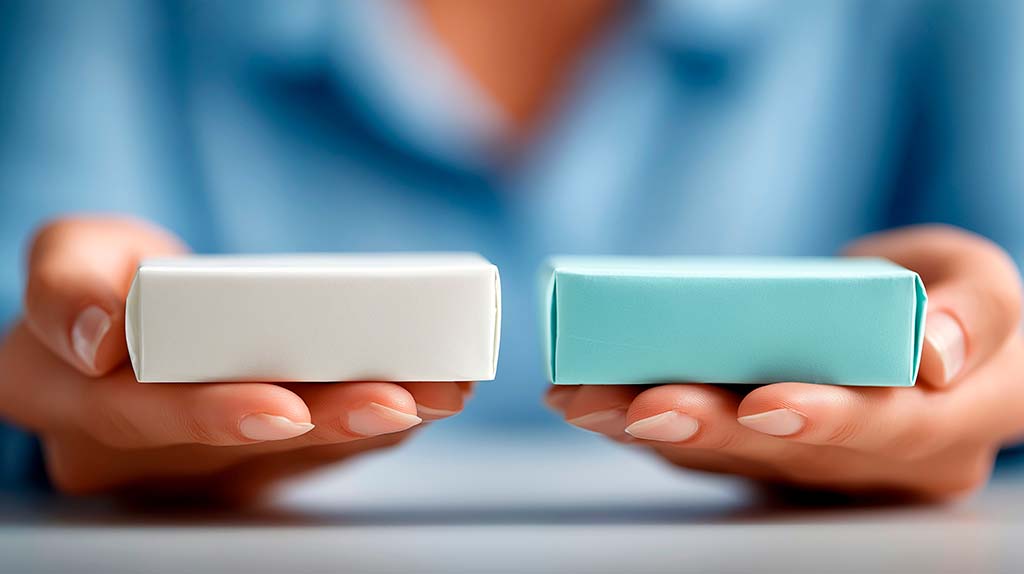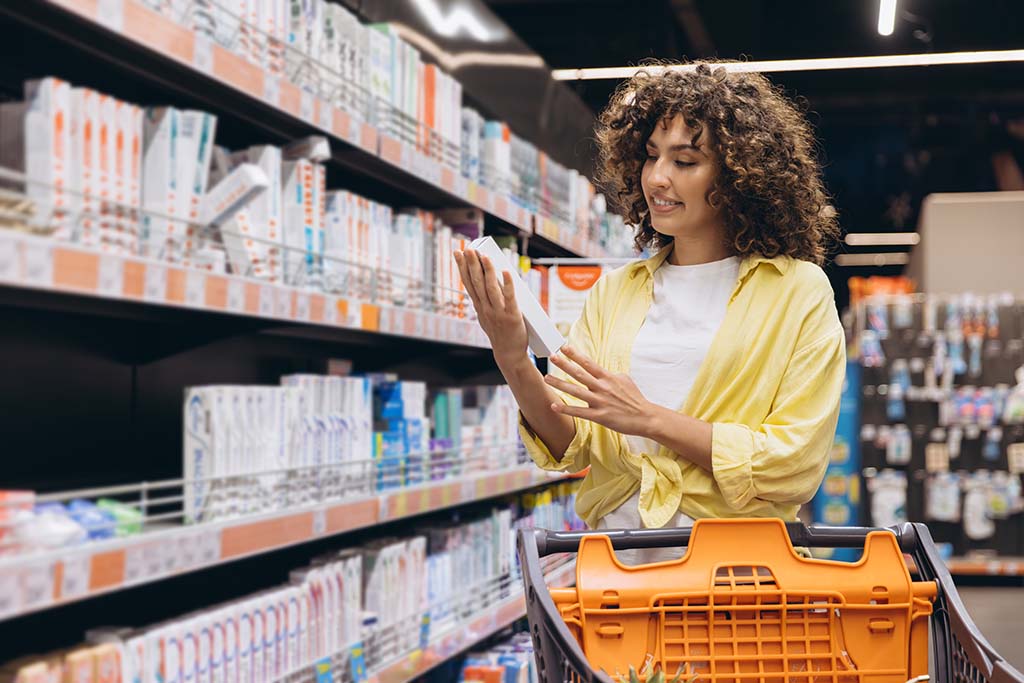
When shopping for a new product, packaging is the first thing customers notice. Your packaging can tell the story of your brand and help you connect with your target audience. When designing your packaging, here are the top things you should be thinking about:
1. Provide Clarity Through Your Branding and Messaging
When shopping, consumers are oftentimes trying to make a quick purchasing decision, especially if they have multiple items on their shopping list. Your packaging should quickly communicate the answers to questions like:
- What is the purpose of the product?
- What type of brand is behind this product?
- Is the packaging telling the right story?
2. Design a Package that Flies off the Shelf
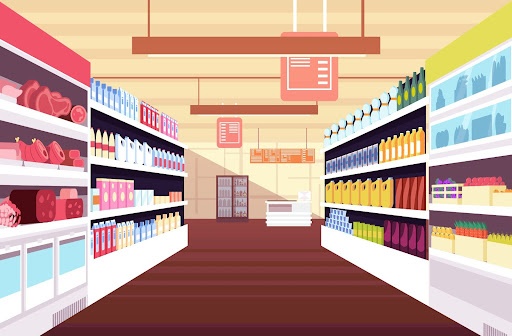
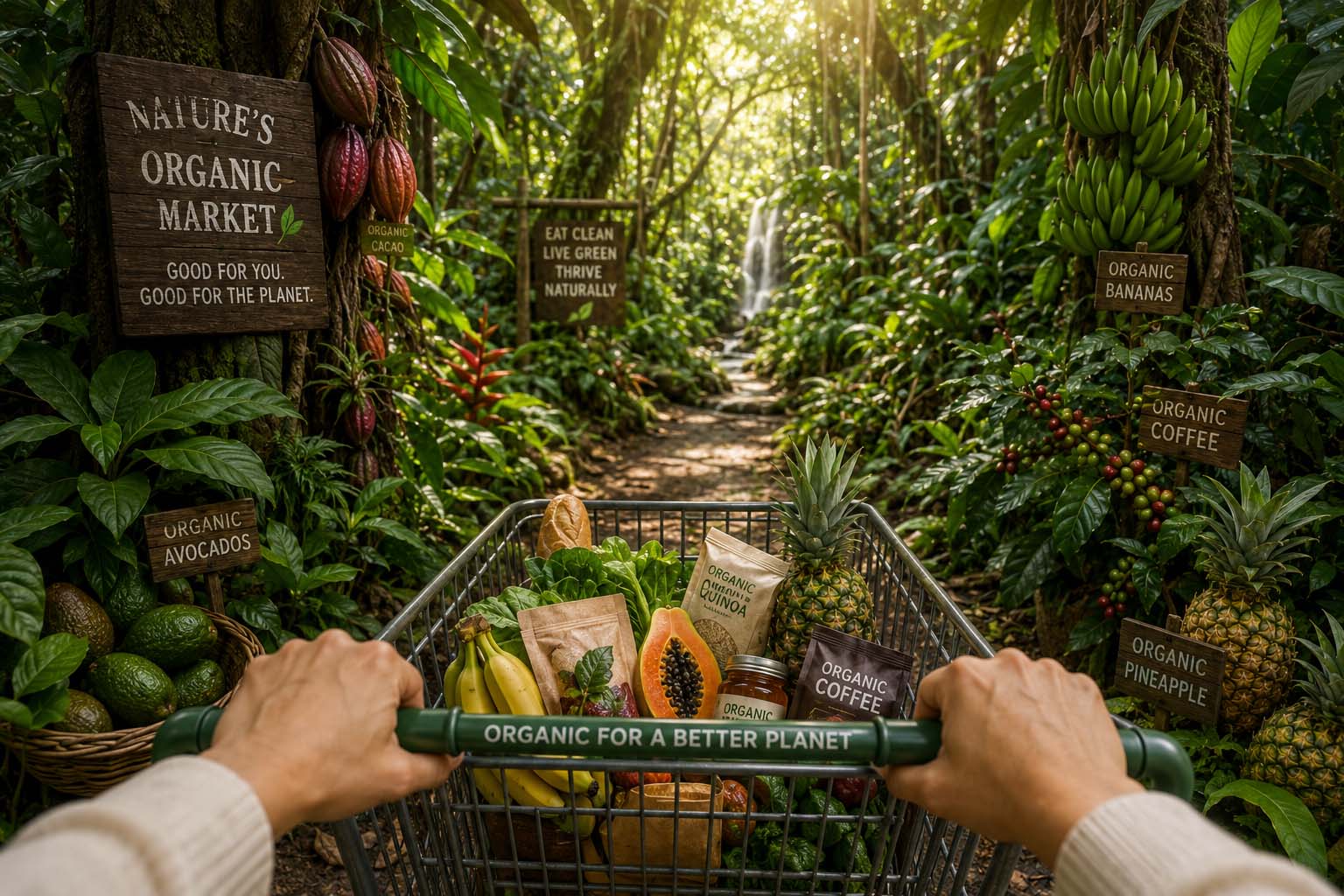
The colors of your packaging should convey the feel of your product, whether you want to have an elegant touch as a luxury brand or communicate your value for sustainability as an organic food brand. Capturing emotions through your packaging colors can help you connect with your target audience, building a product that flies off the shelf. It’s also important to use typography that’s easy to read. Since consumers are trying to make a fast purchasing decision when surrounded by multiple products on a shelf, using the right typography will attract people to your products. Also including engaging images and graphics can help you tell the story of your product well.
3. Use the Correct Material
Using high quality material in your packaging will communicate the quality of your product. Customers can tell the difference between packaging, so investing in the right material will showcase your value for quality and detail.
4. Create a Strong User Experience
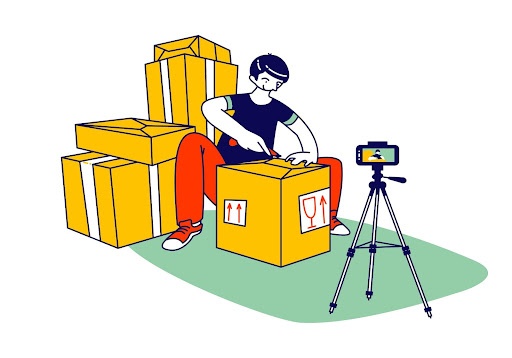
Is your package easy to open? Unboxing videos have become increasingly popular on social media, and if you have excellent packaging, these videos could increase brand awareness.
Think about the size and shape of the packaging. The customer shouldn’t struggle to use the product because of the packaging. Instead, the packaging should make sense based on the dimensions of the product. It should also be practical based on the product itself. For example, a more fragile product should have packaging that protects the product.
5. Connect With Your Target Audience

Designing for your target audience will help you make the strongest shelf-impact. Think about questions like:
- Is the product geared towards children or adults?
- Where will the product be placed? Is it mainly online? At a grocery store?
Your packaging has the power to make a strong impact, building connection with your target audience and attracting new fans of your brand. If you’re in need of packaging design that tells your story well, reach out to Deal Design today.