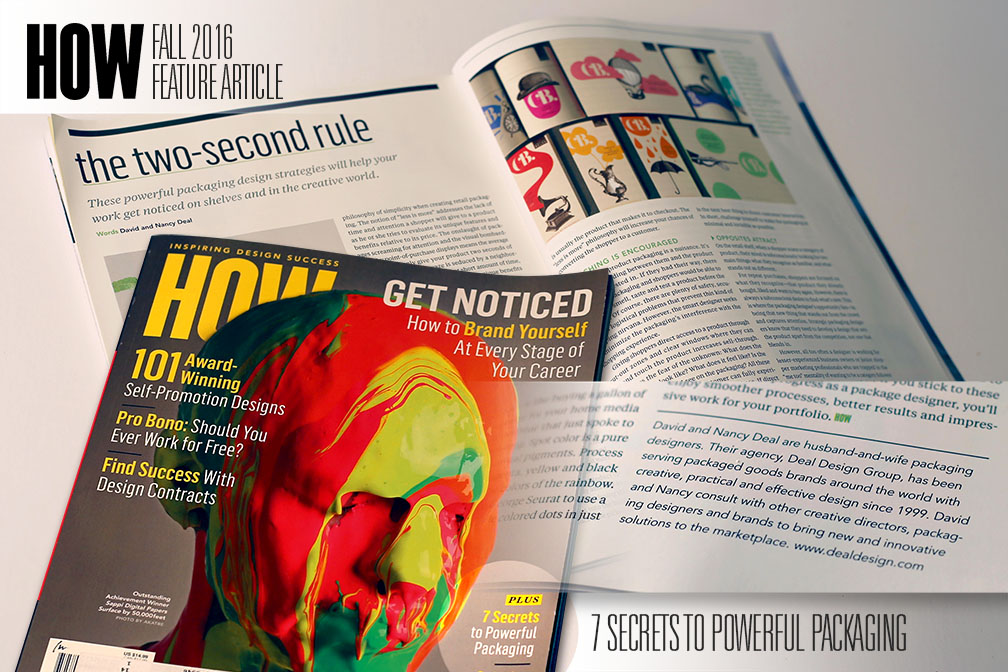
In today’s consumer-driven world, where products are abundant and choices are endless, making purchasing decisions can be a daunting task. Often, consumers find themselves faced with a dilemma: they are unable to physically experience or touch the products before buying them. Instead, they rely on the packaging – the external appearance of the product – to inform their decision-making process. This phenomenon gives rise to the concept that “the package is the product” – a notion that emphasizes the critical role of packaging in shaping consumer perceptions and preferences.
The Power of Packaging
When a consumer walks into a store or browses an online marketplace, they are met with a myriad of products vying for attention. With limited time and attention spans, consumers rely on visual cues to quickly assess and evaluate the options available. Packaging plays a pivotal role in this regard, as it serves as the primary source of information about the product. The way a package is designed, the colors, graphics, typography, and imagery used – all contribute to shaping the consumer’s perception of the product within.
Visual Storytelling
Packaging acts as a powerful tool for visual storytelling. It encapsulates the essence of the brand and communicates its message to the consumer. Through thoughtful design choices, packaging can convey the product’s quality, functionality, and even its intended user experience. For example, a sleek and minimalist package might suggest a high-end, sophisticated product, while vibrant and playful packaging may appeal to a younger demographic seeking fun and excitement.
Emotional Connection
Beyond conveying functional information, packaging has the ability to evoke emotions in consumers. The colors, textures, and overall aesthetic appeal of the package can elicit positive associations, generating a sense of desire and anticipation. In some cases, consumers may even form an emotional bond with a product solely based on its packaging. A beautifully designed package can create a sense of luxury, exclusivity, or nostalgia, resonating deeply with the consumer’s desires and aspirations.
Differentiation in a Crowded Market
In highly competitive industries, where products often share similar features and functionalities, packaging becomes a crucial differentiator. It serves as the first point of contact between the product and the consumer, offering an opportunity to stand out from the crowd. Distinctive and memorable packaging can capture attention, pique curiosity, and ultimately drive purchase decisions. Through bold colors, unique shapes, or innovative materials, a package can communicate a sense of innovation, creativity, and uniqueness, setting a product apart in a sea of options.
The Role of Visual Communication
In the absence of physical interaction with a product, consumers rely heavily on visual cues to infer its qualities and benefits. Packaging, therefore, becomes the primary means of visual communication between the brand and the consumer. Through various elements, the package conveys crucial information and influences consumer perceptions.
Photography and Imagery
Photography and imagery on packaging play a pivotal role in showcasing the product’s features and benefits. A well-executed photograph can demonstrate the product in action, highlighting its key attributes and demonstrating its value. Whether it’s a mouth-watering image of food, a demonstration of a product’s functionality, or a representation of the end result, compelling visuals draw consumers in and provide a glimpse into the product’s potential.
Typography and Text
The choice of typography and text on packaging goes beyond mere aesthetics; it carries important information that shapes consumer understanding and expectations. Clear and concise product descriptions, ingredient lists, usage instructions, and other relevant details help consumers make informed decisions. Moreover, the tone, language, and messaging on the package can evoke emotions, resonate with specific target audiences, and create a sense of trust and credibility.
Color and Graphics
Colors and graphics play a significant role in packaging, as they have the power to evoke emotions and influence consumer behavior. Different colors convey different meanings and associations. For example, vibrant colors may suggest energy and excitement, while muted tones may convey sophistication or tranquility. Graphics and illustrations further enhance the visual appeal and can communicate the product’s unique features or benefits in a visually engaging manner.
Style and Design
The overall style and design of the packaging can shape the consumer’s perception of the product’s quality, reliability, and relevance to their needs. Clean, minimalist designs may signal a modern and sleek product, while elaborate and ornate designs may indicate a more traditional or luxurious offering. Consistency in design across a brand’s product line can also build recognition and reinforce brand identity, helping consumers make quick associations with the quality and value associated with the brand.
The Future of Packaging
As technology continues to advance, packaging is poised to undergo transformation and further augment the consumer’s experience. Augmented reality (AR) and interactive packaging are emerging trends that hold great potential for bridging the gap between physical products and their digital representations. Through AR-enabled packaging, consumers can virtually “try” the product, visualize its use, and even receive additional information, enhancing their decision-making process. Moreover, sustainable and eco-friendly packaging is gaining increasing importance as consumers become more environmentally conscious. Brands are exploring innovative materials and designs that reduce waste and promote recycling, aligning with consumer values and preferences.
Conclusion
In a world where consumers often rely on visual cues and external appearances to make purchasing decisions, packaging plays a central role. The concept that “the package is the product” highlights the significance of packaging as a key influencer in shaping consumer perceptions and preferences. Through visual storytelling, emotional connection, and effective visual communication, packaging not only conveys vital information but also differentiates products in a crowded market. As technology and sustainability continue to drive innovation in packaging, its role in the consumer decision-making process will only become more prominent.