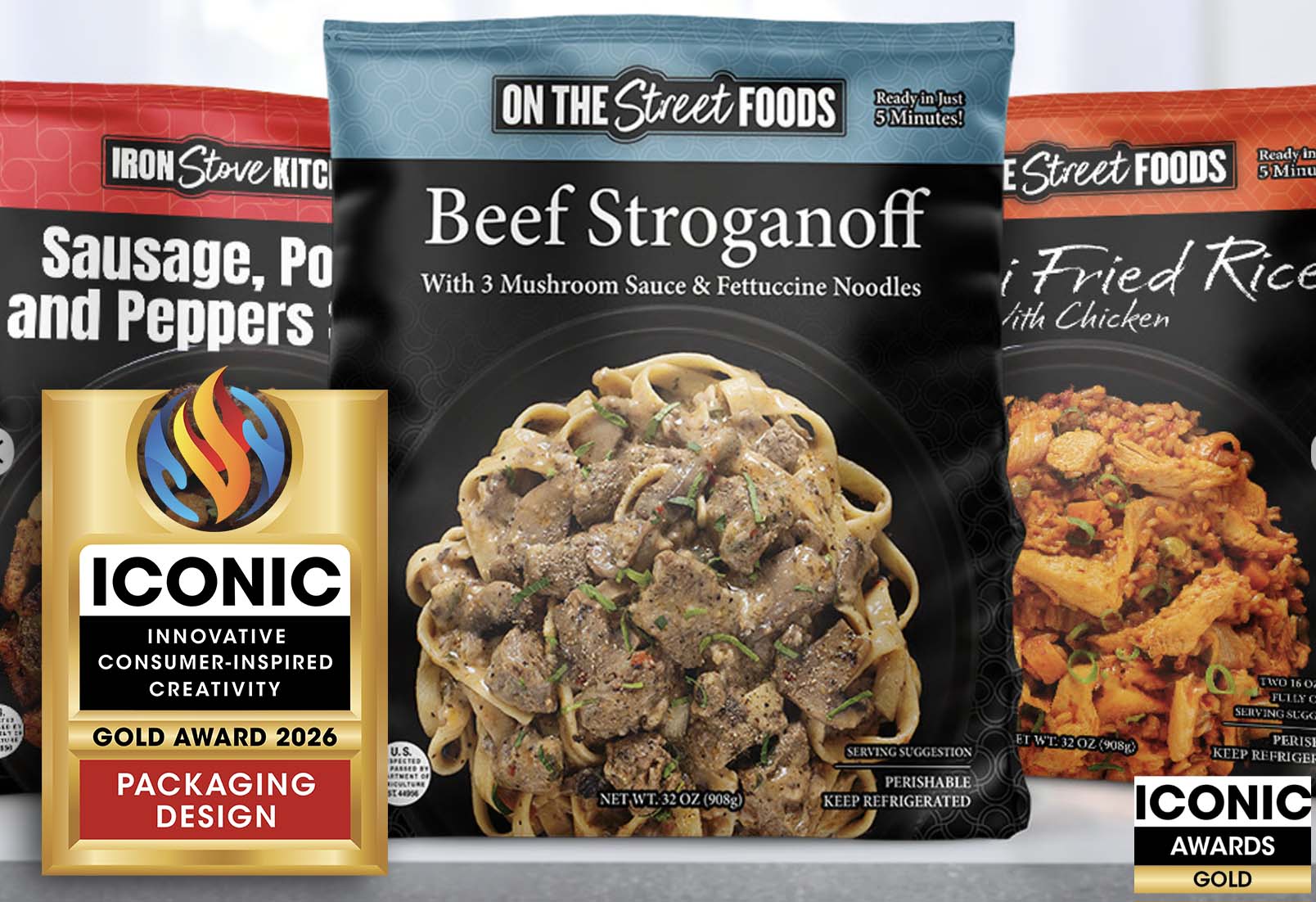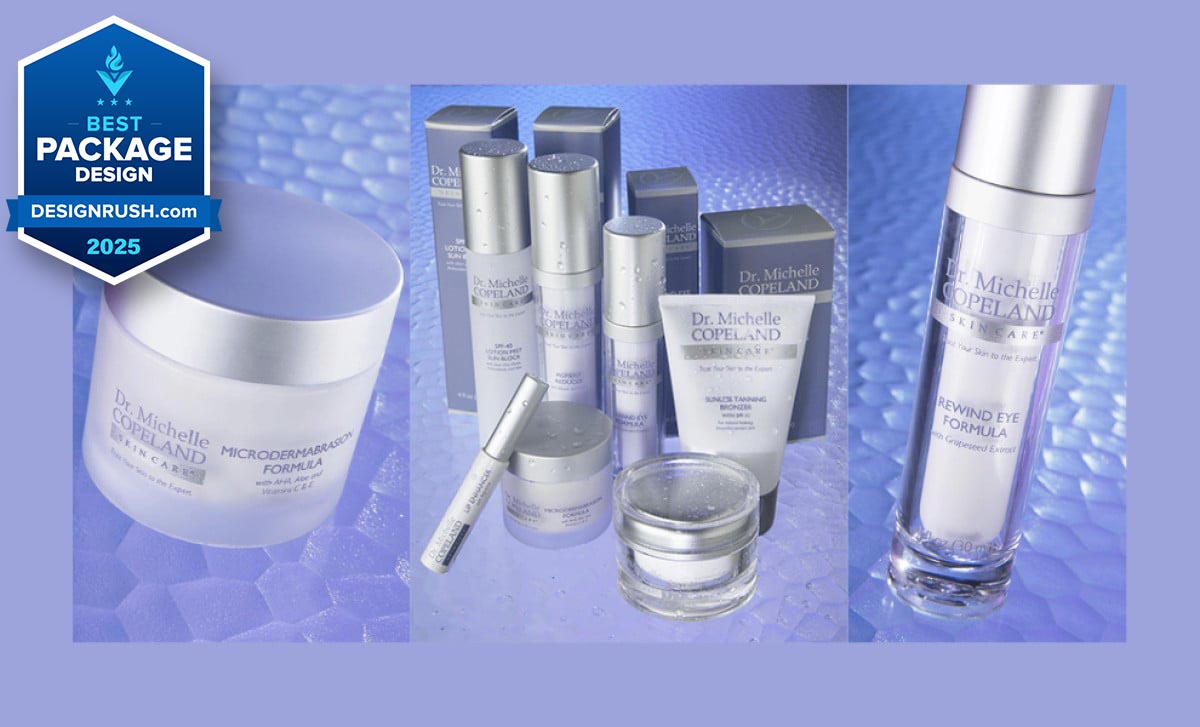
Using certain colors in your branding can leave an emotional impact on consumers that will drive traffic to your business. When deciding on brand colors, an understanding of the psychology of color in brand design will allow you to see how your brand colors communicate who you are as a brand. When used in a strategic way, your brand colors can help your brand form meaningful connections with each customer.
How do colors affect consumer behavior?
- Brand Perceptions: Within 90 seconds, consumers make decisions about products, and some of these decisions are solely based on colors.
- Brand memorability: Using the right color can increase your brand recognition by 80%.
- Conversions: When making purchasing decisions, consumers take color into consideration.
Some brands have even trademarked their shades, and famous examples of this are Tiffany Blue, UPS Brown, and T-Mobile Magenta.
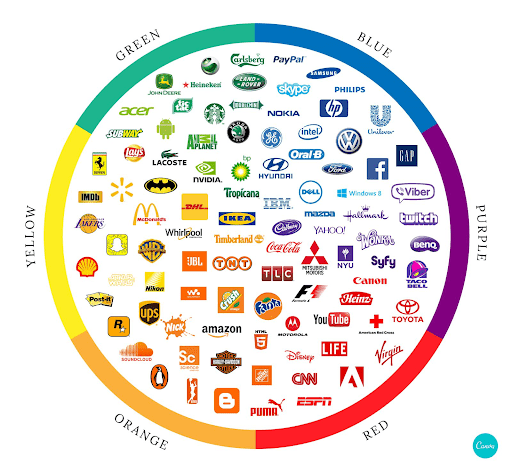
Brands in different industries also choose their brand colors based on their target audience. Knowing the psychology behind different colors along with the main industries that use these colors are the first steps in choosing the right colors for your brand.
Psychology of the Color Red
The color red is associated with excitement, action, passion, and energy. The main industries that use this color are health and retail.
Psychology of the Color Orange
The color orange is associated with warmth, enthusiasm, creativity, and adventure. Industries that use this color include tech, fitness, and logistics.
Psychology of the Color Yellow
The color yellow is associated with optimism, cheerfulness, friendliness, and happiness. This color is used often in digital, fitness, and budget industries.
Psychology of the Color Green
The color green is associated with rest, balance, nature, and health. Green is used in health, outdoors, and eco-friendly industries.
Psychology of the Color Blue
The color blue is associated with trust, peace, loyalty, and communication. The main industries that use this color include health, insurance, tech, and finance.
Psychology of the Color Purple
The color purple is associated with sophistication, power, wisdom, and luxury. Industries that use this color include luxury, design, and tech.
Psychology of the Color Pink
The color pink is associated with playfulness, softness, and warmth. This color is often used in beauty and toys.
Psychology of the Color Brown
The color brown is associated with seriousness, reliability, and authenticity. The main industries that use this color include coffee and confectionery.
Psychology of the Color Black
The color black is associated with elegance, security, sophistication, and power. Industries that use this color include finance, fashion, and automotive.
Psychology of the Color White
The color white is associated with simplicity, clarity, freshness, and sophistication. This color is often used in tech, medicine, and wellness.
Psychology of the Color Grey
The color grey is associated with neutrality, strength, intelligence, and balance. The main industries that use this color are finance and tech.
Understanding the psychology of color in brand design can inform your branding decisions in a powerful way. If you need direction on which colors represent your brand well and are in need of brand design services, reach out to Deal Design today.